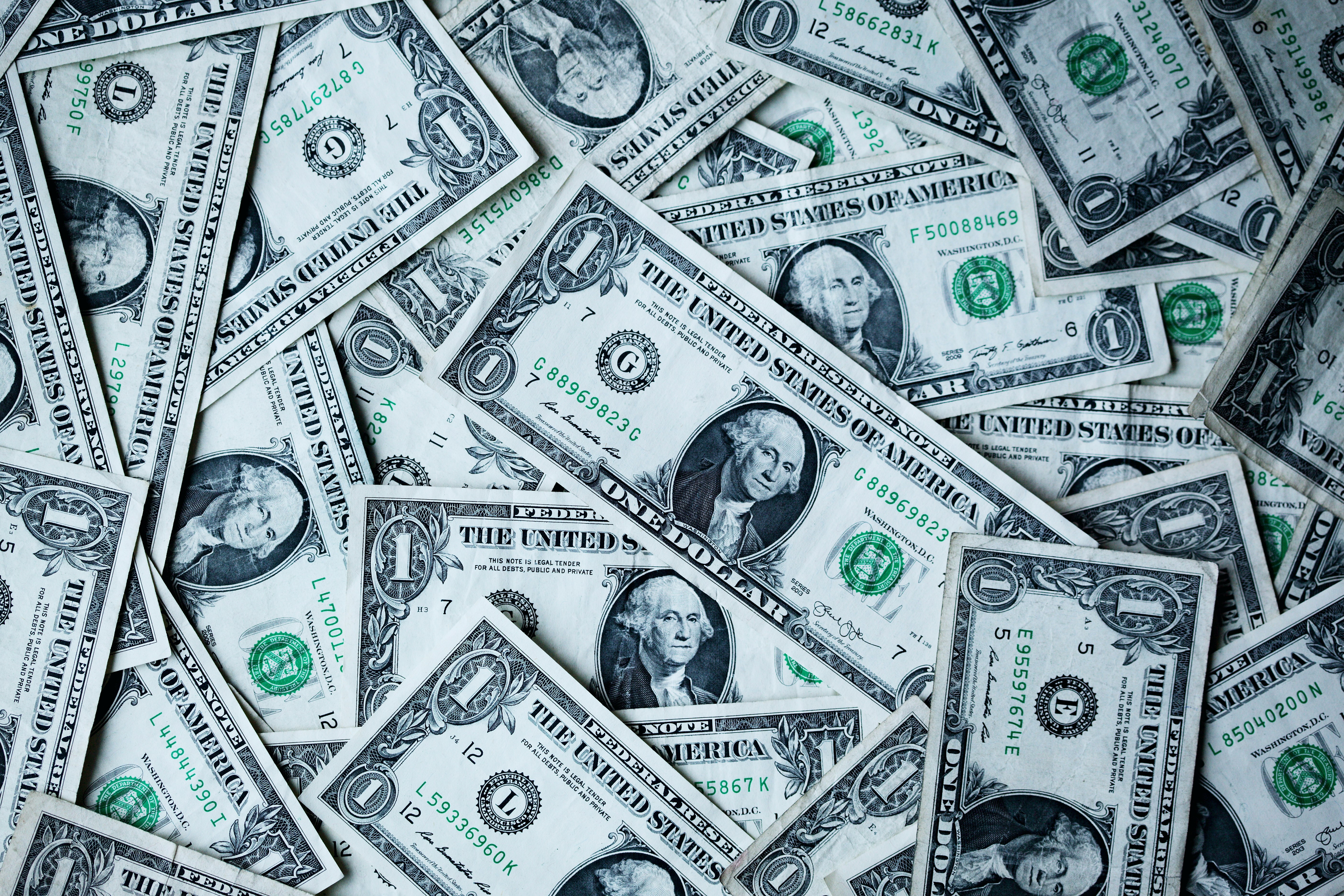
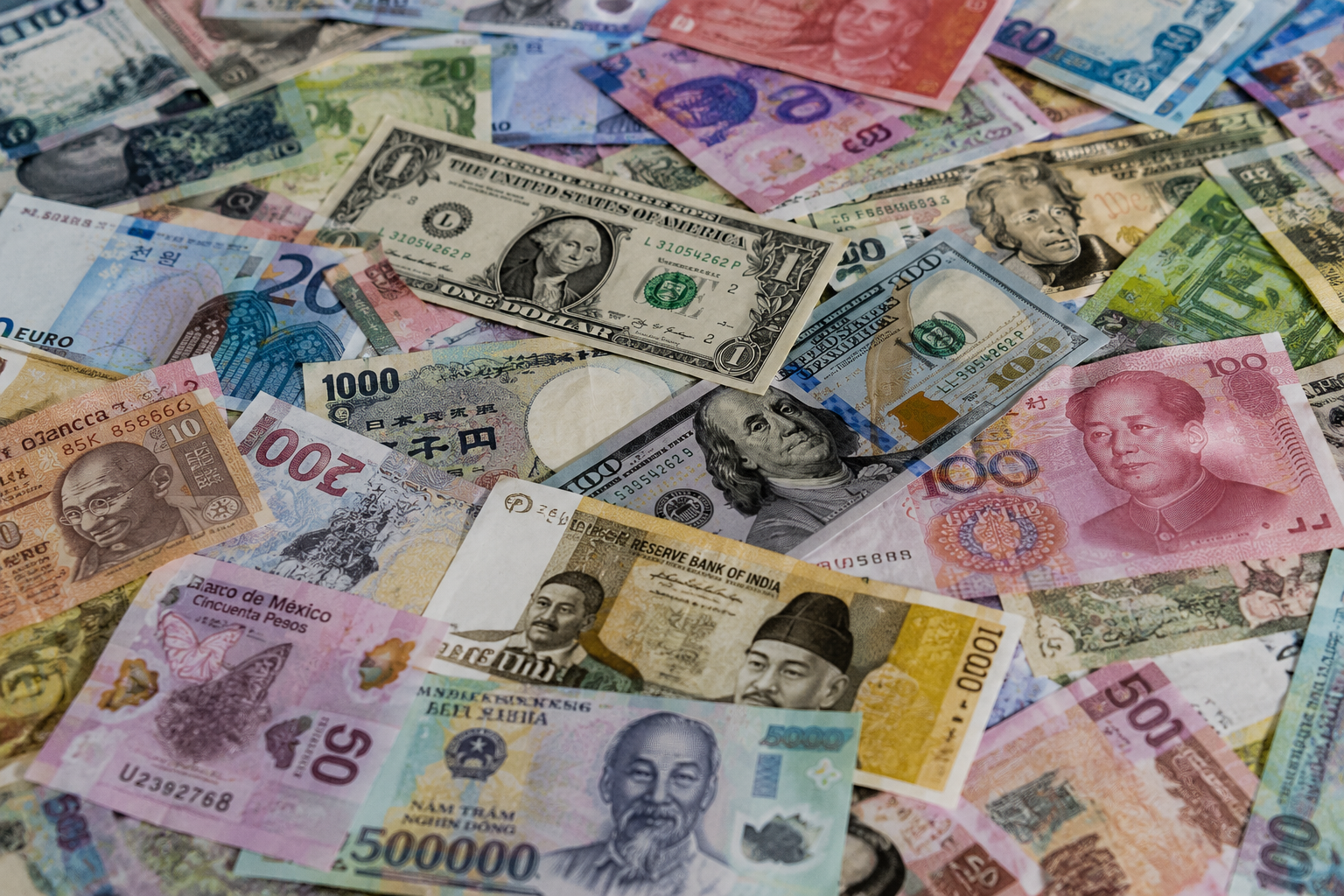
Money is not just paper 💵 — it’s trust, power, and global demand 🌍
🌍 Demand & Supply
More demand for a currency = stronger value 💪
Exports increase demand 📦
Global trade uses strong currencies
📉 Inflation Effect
Too much money printing reduces value 😵
Prices rise
Purchasing power drops
🏦 Interest Rates
Higher interest = more foreign investors 🌎
More investment → stronger currency
🏛️ Stability of Country
Stable governments = trusted currency 🛡️
Less risk = more value
🧠 Market Psychology
News & emotions move money fast ⚡
Fear → selling
Trust → buying
🤯 Crazy Facts
💵 US Dollar is used in global trade everywhere
🏆 Kuwaiti Dinar is stronger than USD
😱 Zimbabwe printed trillion-dollar notes
🌍 Euro is used by multiple countries
🪙 Some countries removed zeros to fix inflation
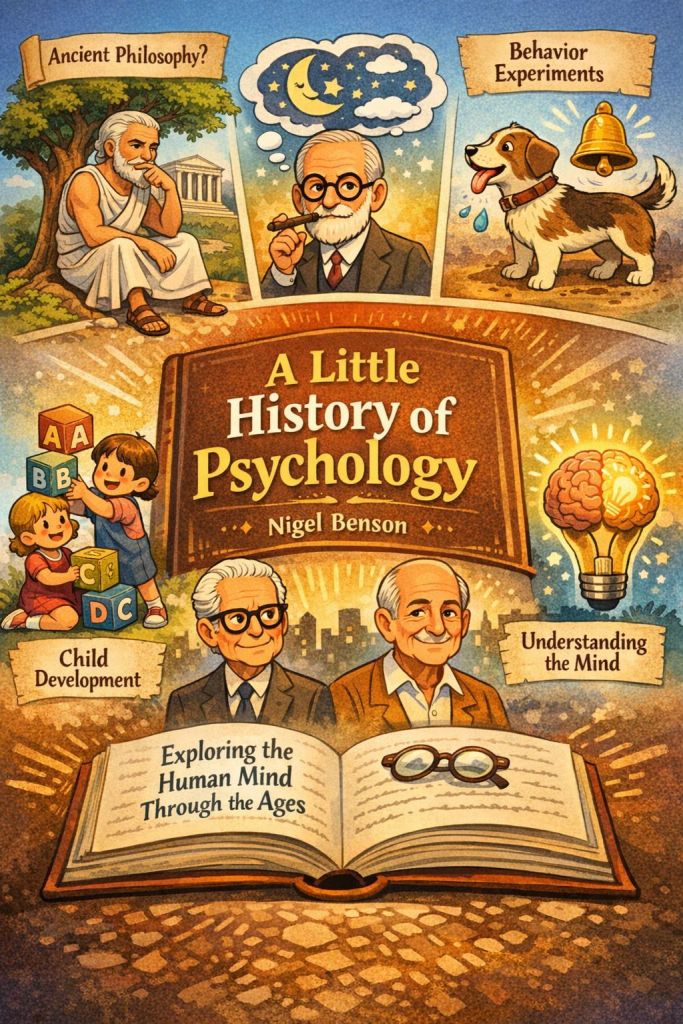
🧠 A Little History of Psychology — Understanding the Human Mind
Human behavior has always fascinated us. Why do we think the way we do? Why do emotions control many of our decisions? The book A Little History of Psychology explores these questions by tracing the development of psychology from ancient philosophy to modern science.
📚 About the Book
Written by Nigel Benson, this book presents psychology in a simple and engaging way. It explains how the study of the human mind evolved over centuries through the ideas of great thinkers and scientists.
Instead of complex academic explanations, the book uses stories, historical events, and famous experiments to make psychology easy to understand.
🌍 The Journey of Psychology
The book takes readers through the major milestones in psychology:
🏛️ Ancient philosophers asking questions about the mind and behavior
🧪 Early scientific experiments about memory and perception
🧠 The birth of modern psychology laboratories
💭 The study of unconscious thoughts and emotions
📊 Modern research into human behavior and decision-making
Through these stages, psychology slowly transformed from philosophy into a scientific discipline.
👨🔬 Famous Thinkers Featured
The book introduces many influential figures in psychology, including:
🧠 Sigmund Freud – Founder of psychoanalysis
🐶 Ivan Pavlov – Famous for classical conditioning experiments
🧪 B. F. Skinner – Pioneer of behaviorism
👶 Jean Piaget – Researcher on child development
🧑🤝🧑 Carl Rogers – Advocate of humanistic psychology
Each of these thinkers contributed new ideas about how humans think, feel, and behave.
💡 Why This Book Is Popular
📖 Easy to read for beginners
🧠 Explains complex ideas in simple language
📚 Covers the entire history of psychology
🌎 Shows how psychology affects everyday life
Whether you’re a student, reader, or simply curious about human behavior, this book provides a clear introduction to psychology.
🔥 Fun Fact
The word “psychology” comes from the Greek words psyche (soul or mind) and logos (study). Together they mean “the study of the mind.”
✨ Final Thought
Understanding psychology helps us understand people — and ourselves. Books like A Little History of Psychology show that the journey to understand the human mind has taken centuries, and it continues to evolve today.
🧠 “To understand the world, first understand the mind.”
🏰 Did you know Moats!
A moat is like a castle’s shield for your business — it keeps competitors out and profits safe! Here are some fun facts you might not know:
💡 Did You Know?
🟢 Apple’s brand moat: People camp outside stores for new products — that’s loyalty in action!
💰 Walmart’s cost advantage: They sell over 1 billion products weekly worldwide!
🌐 Network effect: Facebook has 3+ billion monthly users — the more people join, the stronger it gets.
🔒 Switching costs: Companies using Microsoft Office are reluctant to switch; it saves them months of training.
🧠 Patents protect Tesla: Their electric car tech has over 1,500 patents worldwide.
📦 Amazon’s logistics moat: Their advanced warehouse network allows same-day delivery — competitors can’t match the speed easily.
🖥️ Google’s search moat: Over 90% of people trust Google search results, making it extremely hard for rivals to take market share.
🎵 Spotify’s playlist moat: Personalized playlists keep users hooked, making it difficult for competitors to lure them away.
🏦 Visa & Mastercard’s network: Billions of transactions worldwide create a digital payments moat — new entrants struggle to gain trust.
🛡️ Coca-Cola’s secret formula: The famous recipe is an intellectual property moat that has lasted over 130 years!
🏰 Build your moat, protect your profits, and make business fun! 🚀

 Now or Never